 News
News
Infrastructure, Tourism, and Housing Programs Drive Real Estate Recovery in Bahrain
Issue No. 13420 – Sunday, January 4, 2026 | 15 Rajab 1447 AH
Short link: https://alay.am/p/9sa6
Quick Summary
- Al-Mannai: 2025 formed a strong foundation for more sustainable growth in 2026
- Habib: Women have become active partners in property ownership and real estate investment decisions
The real estate market in the Kingdom of Bahrain entered 2025 with strong momentum that reshaped investment activity, driven by rising real demand, continued government support, infrastructure development, and a tourism rebound that enhanced the Kingdom’s attractiveness as a stable investment destination. This momentum was clearly reflected in transaction activity and deal volumes across various real estate sectors, confirming the return of confidence to the market after years of challenges.
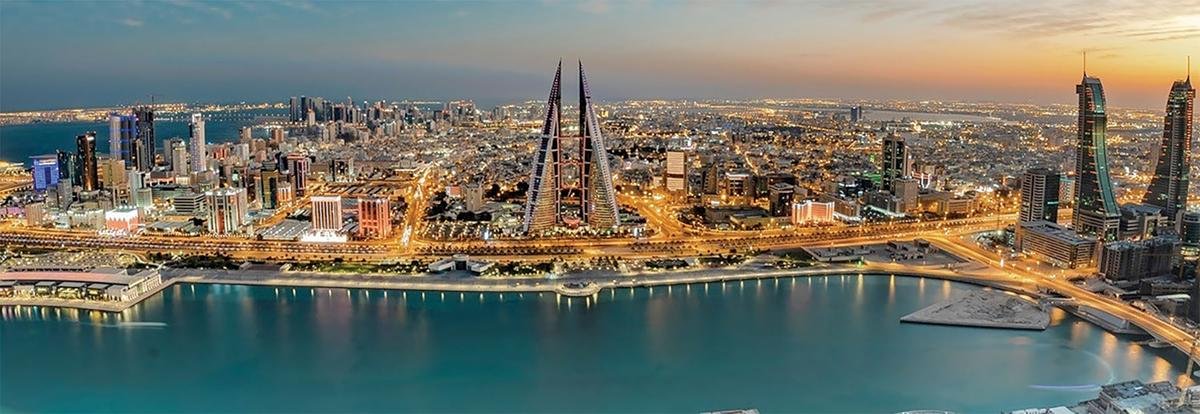
The latest reports show that the total value of real estate transactions in Bahrain reached BHD 130.6 million in December, distributed across 2,573 transactions, compared to 1,856 transactions in December 2024, representing an increase of 717 transactions and a 38.6% year-on-year growth, according to the latest official data issued by the Survey and Land Registration Bureau.
Total real estate transaction value for 2025 reached BHD 1.581 billion, spread across 29,196 transactions, compared to BHD 1.056 billion through 24,863 transactions in 2024. This reflects an annual increase of BHD 524.6 million, equivalent to 49.7% growth in total value, alongside an increase of 4,333 transactions, representing 17.4% growth in transaction volume.
Highest Transaction Value in a Decade
Data indicates that 2025 recorded the highest annual real estate transaction value over the past decade. A comparison between 2016 and 2025 shows a quantitative expansion in market activity, with transaction value rising from BHD 1.036 billion in 2016 to BHD 1.581 billion in 2025, an increase of BHD 544 million, or 52.6% growth. Meanwhile, the number of transactions increased from 17,434 to 29,196, marking a rise of 11,762 transactions, or 67.5% growth over the same period.
In terms of nationality distribution, transactions by Bahraini citizens amounted to BHD 366.3 million across 2,455 transactions, compared to BHD 18.5 million by GCC nationals through 138 transactions, and approximately BHD 17.5 million by other nationalities across 212 transactions.
Demographic indicators also reveal a shift in market participants. The average age of real estate traders declined from 51.34 years in 2019 to 48.7 years in 2025. Gender ownership distribution approached balance, with men accounting for 59% of land ownership compared to 41% for women, while men owned 54% of houses compared to 46% for women.
Infrastructure and Tourism as Key Drivers of Real Estate Growth
Real estate experts believe this positive performance was no coincidence but rather the result of several key factors, foremost among them infrastructure development and major tourism projects that boosted demand, alongside government housing programs that stimulated genuine homeownership demand. Optimism remains high that 2025 indicators will form a strong base for more sustainable growth in 2026.
In an analytical assessment of the drivers behind this performance, real estate expert Iman Al-Mannai emphasized that real estate growth cannot occur in isolation from infrastructure development and active tourism projects, stressing that luxury real estate projects alone are insufficient to guarantee market success and sustainability.
Al-Mannai explained that Bahrain has witnessed unprecedented growth in the tourism sector in recent months, attracting increasing numbers of visitors from various nationalities, particularly from GCC countries, which has strengthened the Kingdom’s position as an advanced tourism and investment destination.
She added that noticeable infrastructure improvements—such as new bridges and road networks—alongside diversified tourism and cultural events, including Layali Al Muharraq, Hawa Al Manama, and the Heritage Village, as well as various seasonal activities, have attracted families and supported homeownership and real estate investment plans across the Kingdom.
Price Stability and Government Support Enhance Market Sustainability
Regarding pricing trends, Al-Mannai noted that Bahrain’s real estate market has enjoyed relative price stability for over two decades, with well-balanced and non-inflated pricing, helping preserve market equilibrium despite successive economic crises.
She confirmed that the current recovery is expected to positively impact real estate developers through the launch of new projects with innovative concepts and increased supply, supported by clear economic vision and sustained market demand.
Al-Mannai also highlighted that ongoing government initiatives across multiple fronts provide direct support to the real estate sector, encourage families to own homes, and strengthen Bahrain’s position as a family-oriented investment and tourism destination.
Expressing optimism for 2026, she projected further real estate growth, particularly given the strong positive indicators seen in 2025, most notably the remarkable success of Cityscape Bahrain, which recorded its best edition in terms of sales volume and attracted investors from multiple nationalities.
She added that these outcomes are expected to enhance the real estate sector’s contribution to Bahrain’s GDP, while also supporting employment opportunities and stimulating related industries.
In conclusion, Al-Mannai emphasized that real estate investment remains a safe haven for all, both men and women, affirming that owning real estate assets is a fundamental pillar in building a financial portfolio and achieving long-term living stability, while stressing the importance of increasing financial awareness within society.
Residential Plots and Premium Projects Lead Investment Demand
Meanwhile, Ahmed Habib, Director of Marketing and Sales at Granada Real Estate, stated that the significant rise in real estate transaction volumes during 2025 resulted from an integrated set of factors, led by government support through housing programs—particularly Taseel, Taseel Plus, and Land & Loan—which directly stimulated genuine market demand.
Habib explained that these programs clearly increased demand for residential plots by offering financing flexibility and broader ownership and construction options. He cited a recent practical example: the launch of the “Jiyan” residential plot master plan in Diraz, where over 90% of plots were sold on the first day.
He noted that the diversity of real estate supply has successfully absorbed growing demand, reflecting a healthy market trajectory, and confirmed that the market is currently undergoing a natural and well-calculated repricing process, especially for residential plots, due to Bahrain’s limited geographic space and rising demand.
Habib added that demand is focused on products combining financing flexibility with long-term investment value. Granada Real Estate, he said, is offering premium investment opportunities, including the tallest residential tower in the Kingdom of Bahrain, targeting local and foreign investors seeking luxury living and long-term investment options—demonstrating diversified demand across residential and investment segments.
The company’s portfolio also includes residential villas and plots across various regions of Bahrain, along with strategic partnerships, including collaboration with Breeq Al Ritaj to develop a fully integrated residential village in Ras Hayyan, Askar, and a partnership with Naseej to offer residential plots in Amwaj Islands with complete infrastructure, in addition to other partnerships.
Regarding the convergence of male and female trading ratios, Habib stated that this indicator reflects economic and social maturity in Bahrain’s market, as women have become active partners in ownership and investment decisions—enhancing market stability, particularly within sustainable residential asset classes.
Source: Baraa Malham – Al Ayam Newspaper
 Property Market Analysis
Why You Should Invest in Buying a House or Property in Bahrain
Bahrain has become one of the most attractive destinations for real estate investment in the Gulf region. With its stable economy, strategic location, and investor-friendly laws, buying a house or property in Bahrain is not just a lifestyle choice—it’s a smart financial move.
1. Strong and Stable Real Estate Market
Bahrain’s property market is well-regulated and relatively stable compared to other regional markets. Prices are competitive, and investors can find opportunities across different budgets, from affordable apartments to luxury waterfront villas.
2. 100% Foreign Ownership in Designated Areas
One of Bahrain’s biggest advantages is that foreigners are allowed to own property in specific freehold areas such as:
- Seef District
- Juffair
- Amwaj Islands
- Durrat Al Bahrain
- Bahrain Bay
This makes Bahrain especially attractive for expatriates and international investors looking for long-term security.
3. High Rental Demand & Steady Returns
Bahrain has a strong rental market driven by:
- Expat professionals
- Military personnel
- Corporate housing demand
This results in good rental yields and consistent income, especially in popular residential areas close to business districts and amenities.
4. No Property Tax & Investor-Friendly Costs
Bahrain offers a major advantage compared to many countries:
- No property tax
- No capital gains tax
- No inheritance tax
This means higher net returns on your investment and lower long-term ownership costs.
5. Pathway to Residency
Owning property in Bahrain can make you eligible for long-term residency options, which adds significant value for investors who plan to live, work, or retire in the country.
6. High Quality of Life
Bahrain offers:
- Modern infrastructure
- Excellent healthcare and education
- A safe and welcoming environment
- A balanced lifestyle with beaches, entertainment, and cultural heritage
These factors increase property demand and long-term value.
7. Strategic Location & Economic Growth
Located at the heart of the Gulf, Bahrain serves as a regional business hub with easy access to Saudi Arabia and other GCC countries. Ongoing infrastructure and economic development projects continue to support property value growth.
8. Wide Range of Investment Options
Whether you are looking for:
- Residential apartments
- Family villas
- Commercial properties
- Off-plan projects
Bahrain offers diverse options suitable for both first-time buyers and experienced investors.
Conclusion
Investing in a house or property in Bahrain is a smart decision backed by strong fundamentals: stable returns, favorable ownership laws, tax advantages, and high living standards. Whether you’re seeking rental income, capital appreciation, or a place to call home, Bahrain’s real estate market offers long-term value and security.
Now is the right time to invest in Bahrain.